
 Jordana Holovach (09.16.2026) 4 mins
Takeaways from a Recent FDA Approval
Glycogen storage disease type 1a (GSD1a) is a rare metabolic disorder that many people have never heard of, but one that deserves the attention of the rare disease community. This is because on August 19, the FDA granted accelerated approval to a gene therapy, GENGLYCOS, designed to reduce patients’ dependence on a relentless, around-the-clock regimen of raw cornstarch.
For people living with GSD1a, missing or delaying that regimen can lead to severe hypoglycemia, seizures, and potentially life-threatening complications. Patients treated with the gene therapy demonstrated a statistically significant reduction in their daily cornstarch requirements, providing a long-awaited first-ever option to reduce the burden of care associated with GSD1a.
In the press release announcing the approval, David Weinstein, M.D., MMSc, one of the world’s leading GSD1a experts, emphasized the therapy’s capacity to reduce the day-to-day burden of disease:
“The approval of GENGLYCOS represents a major step forward for the GSD1a community and reflects almost 30 years of work and scientific progress aimed at improving safety and the quality of life of people living with this disease.”
What Matters in Canavan Disease
Regulatory approvals rely on biomarkers and clinical endpoints that can measurably and reliably demonstrate whether a therapy is working. While such measures are essential, they do not always tell the whole story of the day-to-day changes that matter to families living with a severe, progressive rare disease.
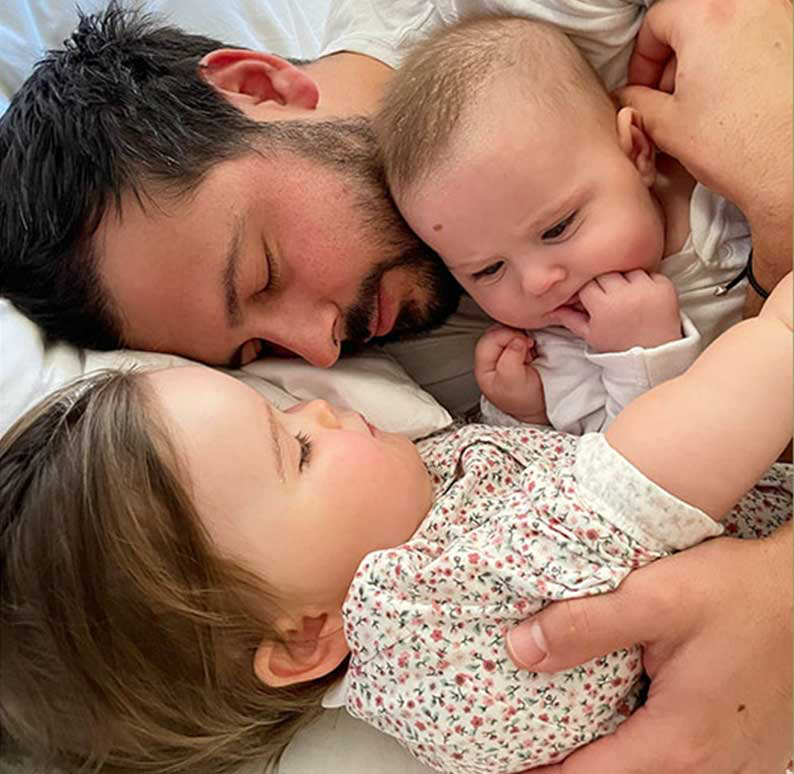
For families of patients with Canavan disease, the impact of treatment is not limited to data curves or laboratory values. It can also be found in everyday moments that signal something fundamental is changing:
- A child in therapy reaching up and pulling the glasses off her therapist’s face.
- A toddler flipping herself over to see what her older sister is doing.
- A child gaining the ability to engage more intentionally with the people and world around them.

There is not always a box on a clinical assessment for “she is now able to reach and grasp with intention.” There is not always a study endpoint for “he no longer aspirates.” But a family notices.
They notice when a child can do something they could not do before. They notice when a movement becomes purposeful, when communication becomes easier, when participation replaces dependence, or when an ordinary moment suddenly becomes possible.
These gains may be difficult to quantify, but they are not insignificant. In fact, they may be among the clearest indicators of what a therapy means in real life. Because for families living with devastating rare diseases, meaningful does not always mean statistically dramatic.
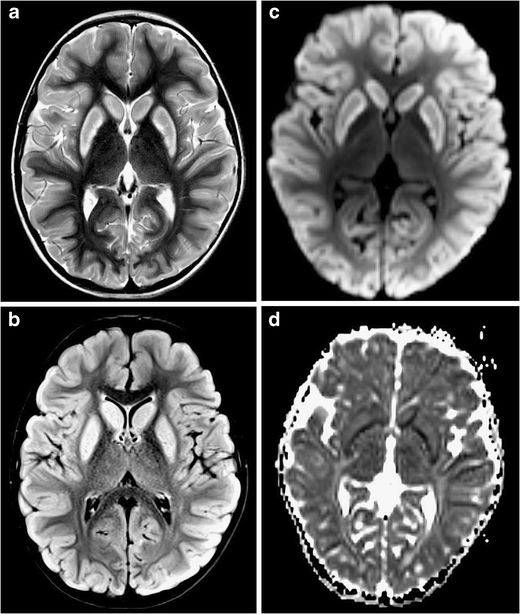
Where MYR-101 Stands
- FDA START Pilot Program: Myrtelle remains one of seven companies selected. The program allows for frequent and enhanced communications with the FDA related to the development of MYR-101.
- RMAT Designation: Allows for consideration for rolling submission, priority review, and accelerated approval options.
- Nature Medicine (September 2025): Published results demonstrated that MYR-101 reduced harmful elevations in NAA levels and increased myelin in treated children.
- Phase 1/2 Trial: Interim results continue to demonstrate a favorable safety profile with no treatment-related serious adverse events.
How to Stay Close to This
- Share what matters: Help regulators understand and recognize the day-to-day changes that matter to patients and families living with severe and progressive rare diseases.
- Support active organizations: Cure Canavan Fund, The Canavan Foundation, and NTSAD provide direct funding and support for families today.
- Tell us what you’re watching: Have you seen another approval or policy shift? Reply directly to tell us about it.